

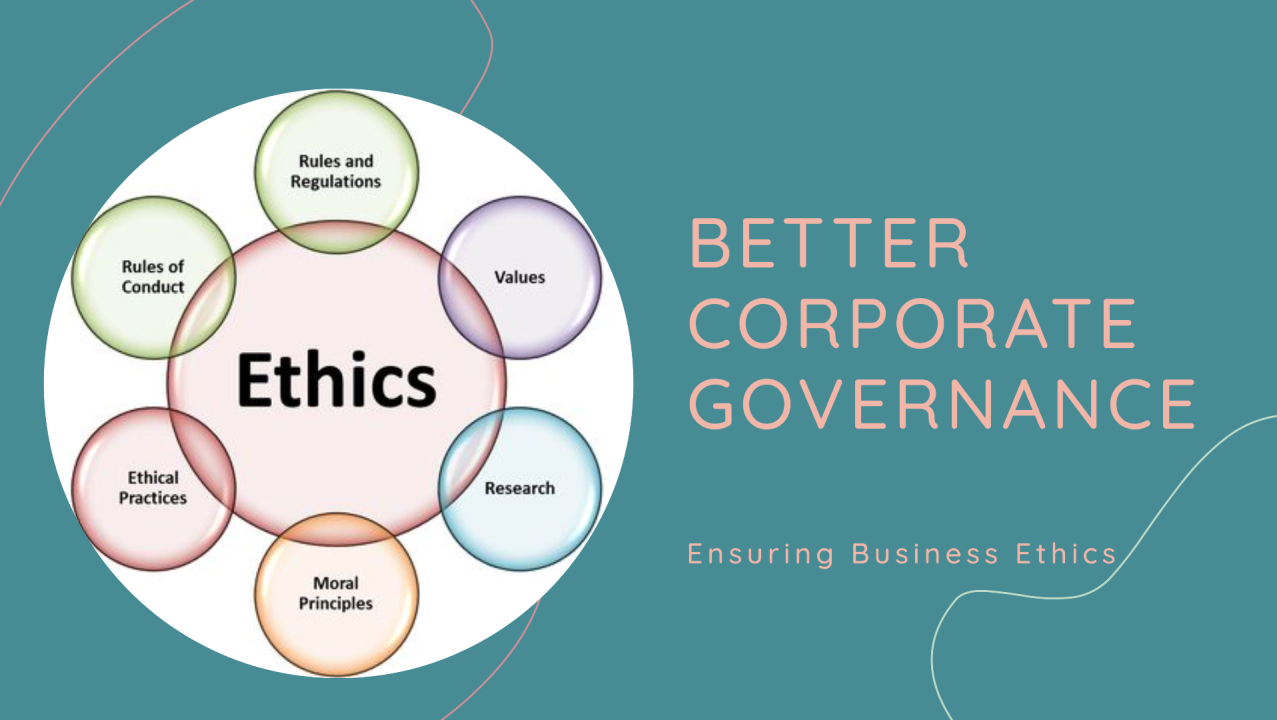
Ethics sits at the core of the financial system. Trust, transparency, and accountability are what allow markets to function smoothly and institutions to maintain credibility. Yet, the finance sector routinely faces ethical dilemmas driven by profit pressures, complex regulations, technological change, and global competition. How professionals respond to these challenges often determines not only organizational success but also public confidence in the entire financial ecosystem.
Understanding Ethics in Finance
Ethics in finance refers to the moral principles guiding behavior in financial decision-making. These principles influence how professionals manage money, disclose information, treat clients, and assess risk.
At its foundation, ethical finance emphasizes:
- Integrity in financial reporting and advice
- Fairness in market participation
- Responsibility toward clients, shareholders, and society
Without these values, financial systems become vulnerable to abuse, instability, and systemic crises.
Major Ethical Challenges in the Finance Industry
Conflict of Interest
A conflict of interest arises when personal or institutional incentives interfere with objective decision-making. This is common in areas such as investment advisory, underwriting, and asset management.
Examples include:
- Advisors promoting products that generate higher commissions rather than better outcomes
- Analysts issuing biased recommendations to maintain corporate relationships
Unchecked conflicts can erode client trust and distort markets.
Insider Trading and Information Asymmetry
Access to non-public, price-sensitive information creates ethical and legal risks. Using such information for personal gain undermines market fairness and disadvantages ordinary investors.
Financial professionals must constantly navigate:
- Strict disclosure rules
- Confidential client data
- Internal controls on sensitive information
Failure to do so damages market integrity.
Misrepresentation and Lack of Transparency
Inaccurate financial reporting or selective disclosure can mislead investors and regulators. This challenge is especially significant in complex financial products and structured investments.
Common ethical risks include:
- Overstating returns or understating risks
- Ambiguous product disclosures
- Creative accounting practices
Transparency is essential for informed decision-making and long-term stability.
Excessive Risk-Taking
Pressure to deliver short-term profits can encourage excessive risk-taking, particularly in trading, lending, and derivatives markets.
This behavior may lead to:
- Financial instability
- Client losses
- Broader economic consequences
Ethical finance requires balancing innovation and profitability with prudence.
Data Privacy and Technological Ethics
As finance becomes increasingly digital, ethical challenges surrounding data use and artificial intelligence are growing.
Key concerns include:
- Misuse of customer data
- Algorithmic bias in credit scoring
- Lack of accountability in automated decisions
Professionals must ensure technology enhances fairness rather than undermines it.
How Finance Professionals Address Ethical Challenges
Strong Regulatory Compliance
Financial professionals operate within regulatory frameworks designed to protect investors and maintain market stability. Ethical practice goes beyond minimum compliance by embracing the spirit, not just the letter, of the law.
Effective compliance includes:
- Regular audits and reporting
- Clear internal policies
- Cooperation with oversight bodies
Robust Corporate Governance
Good governance structures help align organizational behavior with ethical standards. Boards, risk committees, and independent oversight play a critical role.
Key governance practices involve:
- Clear accountability structures
- Independent review of decisions
- Transparent executive compensation
Professional Codes of Conduct
Many finance professionals adhere to formal ethical codes that define acceptable behavior. These codes promote consistency and provide guidance in complex situations.
They typically emphasize:
- Client-first decision-making
- Confidentiality
- Professional competence
Ethical Training and Culture
Ethics cannot be enforced solely through rules; they must be embedded in organizational culture. Ongoing education helps professionals recognize and respond to ethical dilemmas.
Effective programs focus on:
- Real-world case studies
- Open discussion of ethical gray areas
- Leadership by example
Whistleblower Protection
Encouraging employees to report unethical behavior without fear of retaliation is critical. Strong whistleblower protections help identify issues early and prevent systemic failures.
Organizations increasingly rely on:
- Anonymous reporting systems
- Independent investigation processes
- Clear anti-retaliation policies
The Role of Ethics in Sustainable Finance
Ethical considerations are now closely linked to long-term financial sustainability. Investors and institutions increasingly assess environmental, social, and governance factors when allocating capital.
Ethical finance contributes to:
- Long-term value creation
- Reduced systemic risk
- Greater public trust in financial institutions
By integrating ethics into strategy, finance professionals support both economic growth and social responsibility.
Conclusion
Ethical challenges in finance are complex and evolving, shaped by market dynamics, regulation, and technological innovation. Addressing them requires more than compliance—it demands integrity, accountability, and a commitment to responsible decision-making. Finance professionals who prioritize ethics not only protect their clients and organizations but also strengthen the foundations of the global financial system.
Frequently Asked Questions (FAQs)
1. Why are ethical standards so important in the finance industry?
Ethical standards build trust, protect investors, and ensure fair and efficient markets.
2. Can ethical behavior conflict with profitability in finance?
In the short term, it may seem so, but ethical practices often lead to stronger long-term performance and reduced risk.
3. How do financial institutions detect unethical behavior internally?
They rely on audits, compliance monitoring, internal controls, and whistleblower mechanisms.
4. What role does leadership play in promoting ethical finance?
Leadership sets the tone by modeling ethical behavior and reinforcing accountability throughout the organization.
5. How does technology increase ethical risks in finance?
Automation and data analytics can introduce bias, reduce transparency, and create privacy concerns if not properly governed.
6. Are ethical standards the same across different countries?
While core principles are similar, ethical expectations and regulations vary based on legal systems and cultural norms.
7. How can individual finance professionals improve their ethical decision-making?
They can stay informed, follow professional codes, seek peer guidance, and prioritize long-term responsibility over short-term gains.