

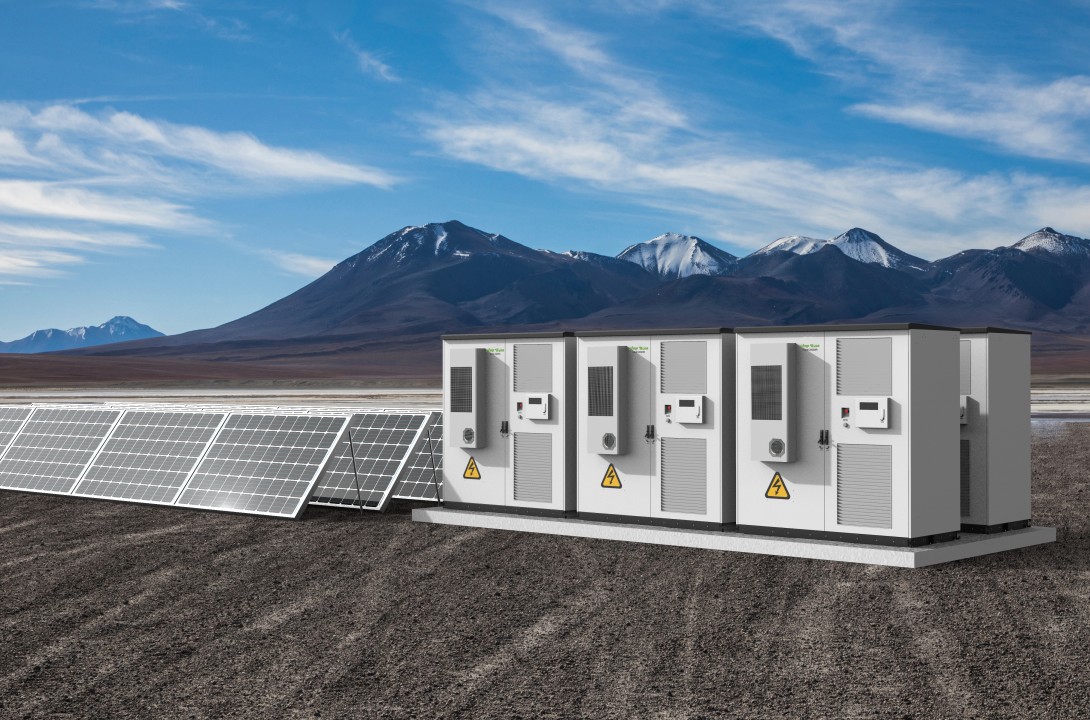
As global industries push toward efficiency, resilience, and sustainability, energy storage solutions have become a foundational element of modern industrial infrastructure. These systems allow industries to store excess energy, manage power demand, stabilize operations, and integrate renewable energy sources without compromising reliability.
This article explores the major energy storage technologies and explains how industries are using them to optimize performance, reduce costs, and future-proof operations.
Understanding Energy Storage in Industrial Contexts
Energy storage refers to technologies that capture energy for later use, ensuring power availability when generation fluctuates or demand spikes. In industrial environments, storage systems are critical for maintaining operational continuity, managing peak loads, and supporting energy-intensive processes.
Key industrial drivers for energy storage include:
- Rising electricity costs
- Grid instability
- Renewable energy integration
- Carbon reduction targets
- Demand for uninterrupted operations
Major Types of Energy Storage Solutions
Battery Energy Storage Systems (BESS)
Battery-based storage is the most widely deployed solution in industrial settings due to its flexibility and fast response times.
Common battery technologies include:
- Lithium-ion batteries for high energy density and fast charging
- Lead-acid batteries for cost-sensitive backup systems
- Flow batteries for long-duration energy discharge
Industries use BESS for peak shaving, backup power, and load balancing, especially in manufacturing plants and data centers.
Thermal Energy Storage (TES)
Thermal energy storage systems store heat or cold for later use, making them ideal for industries with heavy heating or cooling demands.
Examples of thermal storage methods:
- Molten salt systems
- Ice-based cooling storage
- Phase-change materials
TES is commonly deployed in food processing, chemical manufacturing, and district cooling systems, where temperature control is critical.
Mechanical Energy Storage
Mechanical systems convert electrical energy into physical motion or potential energy.
Key technologies include:
- Pumped hydro storage
- Flywheel energy storage
- Compressed air energy storage (CAES)
These solutions are particularly valuable for large-scale industrial operations that require long-duration storage and grid-scale support.
Hydrogen Energy Storage
Hydrogen storage converts surplus electricity into hydrogen through electrolysis, which can later be used for power generation or as an industrial fuel.
Industries such as steel manufacturing, chemical production, and heavy transport are exploring hydrogen as a long-term energy storage and decarbonization solution.
Industrial Applications of Energy Storage Systems
Manufacturing and Heavy Industry
Energy storage enables manufacturers to:
- Reduce peak demand charges
- Maintain production during grid outages
- Stabilize sensitive equipment
- Improve energy efficiency across shifts
By storing power during low-cost periods, factories can significantly lower operational expenses.
Data Centers and Critical Infrastructure
For data centers, power reliability is non-negotiable. Energy storage systems provide:
- Instant backup during outages
- Voltage and frequency stabilization
- Support for renewable-powered operations
Advanced battery systems often replace or supplement diesel generators, reducing emissions and noise.
Renewable Energy Integration
Industries adopting solar or wind energy rely on storage to manage variability.
Energy storage allows facilities to:
- Store excess renewable generation
- Use clean energy during non-generation hours
- Operate independently through microgrids
This capability is especially valuable in remote or energy-intensive industrial sites.
Mining, Oil, and Gas Operations
Energy storage improves operational resilience in remote locations where grid access is limited.
Benefits include:
- Reduced fuel consumption
- Improved power quality
- Enhanced safety and reliability
Hybrid systems combining storage with renewables are increasingly common in off-grid industrial operations.
Benefits of Energy Storage for Industrial Users
Industries that adopt energy storage gain multiple strategic advantages:
- Cost optimization through demand charge reduction
- Operational resilience during grid disruptions
- Lower carbon emissions
- Improved power quality
- Scalability for future expansion
These benefits make storage a long-term investment rather than a short-term expense.
Challenges and Considerations
Despite its advantages, industrial energy storage adoption involves careful planning.
Key considerations include:
- Upfront capital costs
- System sizing and technology selection
- Safety and regulatory compliance
- Lifecycle maintenance and recycling
A well-designed storage strategy aligns technology choice with operational needs and long-term energy goals.
The Future of Industrial Energy Storage
Advances in battery chemistry, hydrogen systems, and digital energy management are accelerating adoption across industries. As costs continue to decline and sustainability regulations tighten, energy storage will shift from a competitive advantage to an industrial necessity.
Industries that invest early gain greater flexibility, resilience, and control over their energy future.
Frequently Asked Questions (FAQ)
1. How long can industrial energy storage systems supply power?
Duration depends on the technology and system size, ranging from minutes to several days for long-duration storage solutions.
2. Are energy storage systems safe for industrial environments?
Yes, when properly designed and maintained, modern systems meet strict safety and regulatory standards.
3. Can energy storage reduce industrial electricity bills?
Absolutely. Peak shaving and load shifting can significantly lower demand charges and overall energy costs.
4. Which industries benefit the most from energy storage?
Manufacturing, data centers, mining, chemical processing, and renewable-heavy industries see the highest returns.
5. Is energy storage compatible with existing industrial infrastructure?
Most systems are modular and can be integrated with minimal disruption to current operations.
6. How does energy storage support sustainability goals?
It enables higher renewable energy usage, reduces reliance on fossil fuels, and lowers greenhouse gas emissions.
7. What is the lifespan of industrial energy storage systems?
Depending on the technology, systems typically last between 10 and 25 years with proper maintenance.