

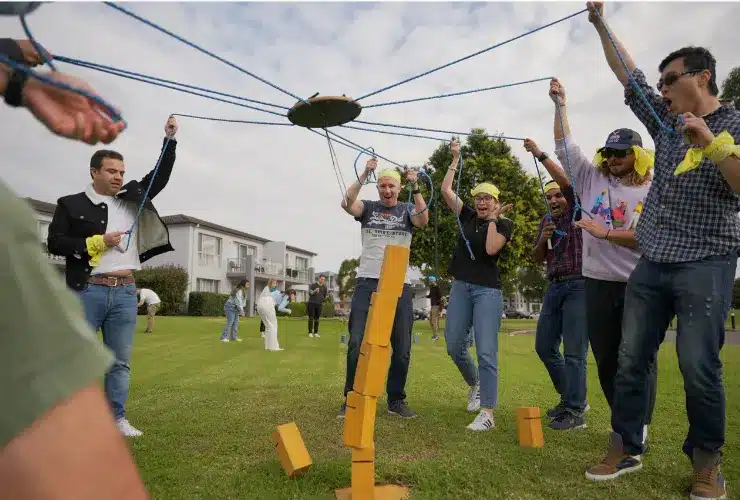
A strong workplace culture is built through the way people communicate, solve problems and support each other during everyday pressure. For organisations arranging team building South Australia xlevents.com.au, the most useful activities are often the ones that give employees a chance to practise collaboration in a setting that feels fresh, practical and different from normal work.
Culture Is Shaped by Small Behaviours
Workplace culture is not only created by policies, values statements or leadership messages. It is shaped by daily behaviours: how people listen, whether they share information, how they respond to mistakes and whether they feel comfortable contributing ideas.
Team building can bring these behaviours into focus. When a group is asked to solve a challenge together, patterns often become visible very quickly. Some people take charge, some step back, some organise, some question, and some quietly notice what others miss.
This does not have to be negative. In fact, it can be useful. A well-run activity gives teams a low-risk way to understand how they work together and where small improvements could make everyday collaboration easier.
Shared Experiences Build Trust
Trust is difficult to build through meetings alone. People often need shared experiences to feel more comfortable with each other, especially when teams are new, departments are separate or staff work in different locations.
A team building activity gives colleagues something to do together that is not tied to usual job titles or deadlines. This can help break down barriers and encourage more natural conversation.
It can be especially valuable when teams have been through a busy, stressful or changing period. A shared challenge can give people a chance to reconnect, reset and remember what effective teamwork feels like outside normal pressure.
Activities Should Suit the Group
The best team building activities are not necessarily the biggest or loudest. They are the ones that suit the people taking part. A highly competitive activity might energise one group but make another feel uncomfortable. A slower, strategic challenge may reveal stronger thinking in a team that does not respond well to high-pressure games.
Group size, confidence levels, physical ability, seniority and workplace culture should all be considered. A mixed group may need an activity that allows different strengths to emerge, from planning and leadership to creativity, observation and communication.
When everyone has a way to contribute, the session feels more inclusive and the outcome is more useful.
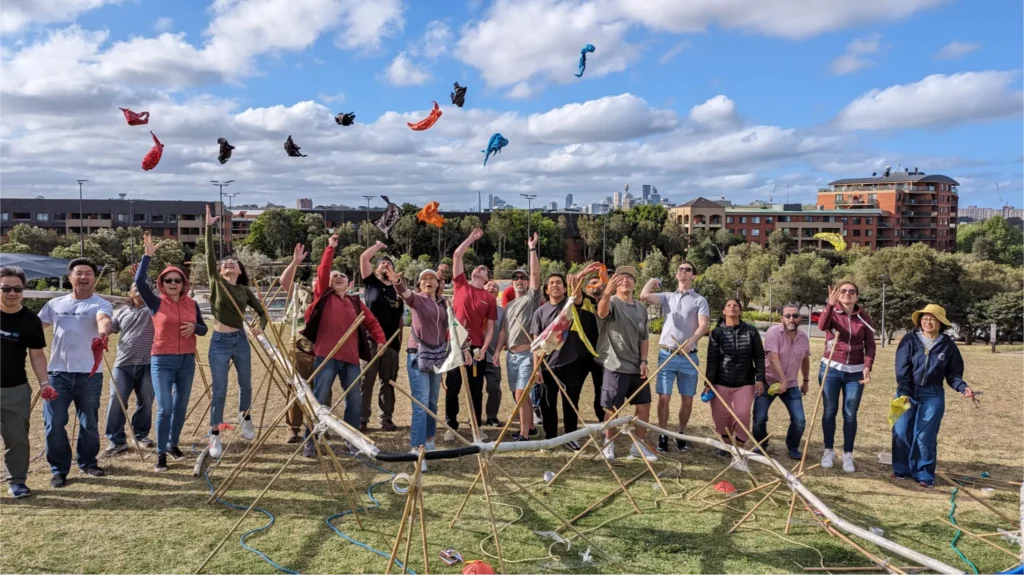
Good Facilitation Keeps the Day Focused
A team building event can quickly become just another activity if it is not guided well. Good facilitation helps keep the session clear, energetic and purposeful. It ensures people understand what they are doing and why it matters.
A facilitator can also help manage group dynamics. They can encourage quieter participants, keep dominant voices from taking over and make sure the activity remains constructive. This is important because the aim is not to embarrass people or expose weaknesses, but to create a positive environment for learning and connection.
The best facilitators know when to step in and when to let the group figure things out for themselves.
Reflection Turns Fun Into Value
The most useful part of a team building session often comes after the activity itself. A short reflection can help people connect what happened during the challenge with how they work every day.
Teams might discuss how they made decisions, whether they communicated clearly, who helped the group stay organised and what could have been done differently. These observations can lead to practical improvements in meetings, project planning, handovers or cross-team communication.
Team building works best when it is purposeful but not forced. A well-chosen activity can give people an enjoyable shared experience while also helping them understand each other’s strengths, improve communication and bring better habits back into the workplace.