

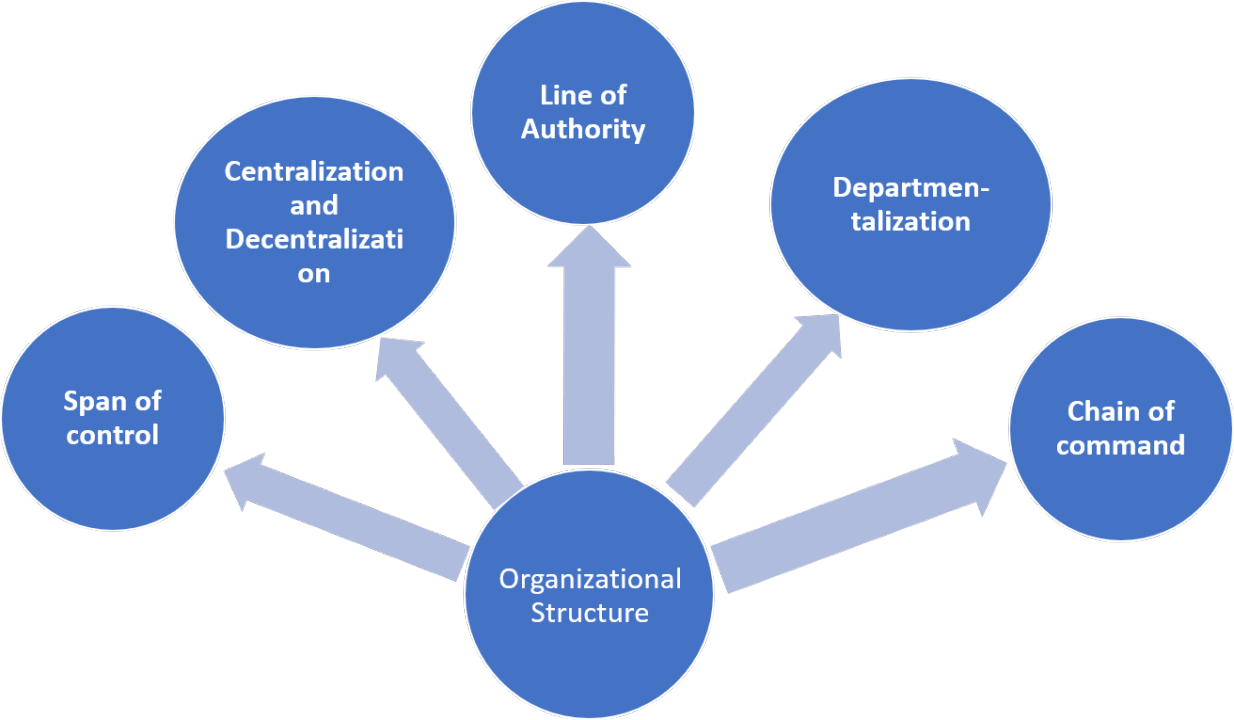
Rapid growth is an exciting milestone for any organization, but it also exposes weaknesses in management structures that once worked at a smaller scale. Without intentional design, growth can lead to confusion, burnout, duplicated efforts, and stalled decision-making. A well-designed management structure creates clarity, empowers teams, and ensures the organization can scale without losing momentum.
Why Management Structure Matters During Rapid Growth
When a company grows quickly, complexity increases just as fast. More people, more products, and more customers mean more decisions every day. An effective management structure acts as a stabilizing framework that aligns people, processes, and priorities.
Key benefits include:
- Clear accountability as teams expand
- Faster decision-making without constant executive involvement
- Consistent execution across departments
- Reduced operational friction during change
Core Principles of Growth-Ready Management Structures
1. Clarity Over Control
As organizations scale, trying to control every decision centrally becomes a bottleneck. Instead, focus on clarity of roles, goals, and authority.
- Define responsibilities explicitly
- Document decision rights
- Reduce overlapping ownership
Clear structures prevent power struggles and enable faster execution.
2. Decentralized Decision-Making
Growth demands speed. Empowering leaders at different levels allows decisions to be made closer to the problem.
Effective decentralization includes:
- Clearly defined decision boundaries
- Trust in middle management
- Feedback loops to maintain alignment
3. Scalable Leadership Layers
Flat structures work well in early stages, but rapid growth requires additional leadership layers to maintain effectiveness.
A scalable approach:
- Introduce managers gradually as team sizes increase
- Maintain optimal spans of control (typically 6–10 direct reports)
- Avoid unnecessary hierarchy that slows communication
Designing the Right Organizational Model
Functional vs. Divisional Structures
Choosing the right structure depends on growth patterns.
Functional structures work best when:
- The company offers a limited set of products
- Deep specialization is critical
- Centralized expertise adds value
Divisional structures are more effective when:
- Multiple products or markets exist
- Speed and autonomy are essential
- Accountability for results is a priority
Many fast-growing companies adopt hybrid models that combine both.
Building Strong Middle Management
Middle managers are the backbone of scaling organizations. They translate strategy into execution and keep teams aligned.
To strengthen this layer:
- Invest in leadership training early
- Clarify expectations and performance metrics
- Provide authority that matches responsibility
Neglecting middle management often leads to executive overload and team disengagement.
Processes That Support Growth-Oriented Structures
Standardization Without Rigidity
Processes should be consistent enough to ensure quality, yet flexible enough to evolve.
Focus on:
- Core workflows that impact customers and revenue
- Documentation that is easy to update
- Regular reviews to remove outdated steps
Communication Systems That Scale
Informal communication breaks down as teams grow. Structured communication ensures alignment without excessive meetings.
Effective systems include:
- Regular leadership syncs
- Clear reporting cadences
- Transparent goal-tracking tools
Aligning Culture With Structure
Management structures should reinforce, not undermine, company culture. Growth often introduces new leaders who bring different habits and expectations.
To maintain alignment:
- Clearly articulate values and behaviors
- Model those behaviors at leadership levels
- Integrate cultural fit into hiring and promotion decisions
A strong culture acts as an invisible management system during periods of change.
Common Mistakes to Avoid During Rapid Growth
- Over-centralizing decisions in senior leadership
- Promoting without preparation, leading to ineffective managers
- Copying structures from large corporations too early
- Ignoring feedback from frontline teams
Avoiding these pitfalls helps preserve agility while scaling responsibly.
Measuring the Effectiveness of Your Management Structure
Growth-ready structures evolve continuously. Regular evaluation prevents small issues from becoming systemic problems.
Key indicators to monitor:
- Decision turnaround time
- Employee engagement and retention
- Cross-team collaboration effectiveness
- Leadership workload balance
Use these insights to refine roles, reporting lines, and processes as the organization matures.
FAQ
1. When should a growing company redesign its management structure?
A redesign is typically needed when decision-making slows, leaders become overloaded, or teams are unclear about ownership and priorities.
2. How do you balance flexibility and structure during rapid growth?
Focus on defining outcomes and responsibilities while allowing teams autonomy in execution, revisiting structures regularly as needs evolve.
3. Is a flat organization sustainable during rapid growth?
Flat structures work early on, but most organizations need additional leadership layers as headcount and complexity increase.
4. What role does middle management play in scaling?
Middle managers translate strategy into action, support team performance, and prevent senior leaders from becoming operational bottlenecks.
5. How can leadership maintain alignment across fast-growing teams?
Clear goals, consistent communication rhythms, and shared performance metrics help maintain alignment at scale.
6. Should management structures be copied from successful companies?
No. Structures must reflect the organization’s size, industry, culture, and growth stage rather than mimic external models.
7. How often should management structures be reviewed?
At minimum, structures should be reviewed annually or whenever significant growth milestones or strategic shifts occur.